Flood-Proof Floors Cut Insurance Costs in 2026
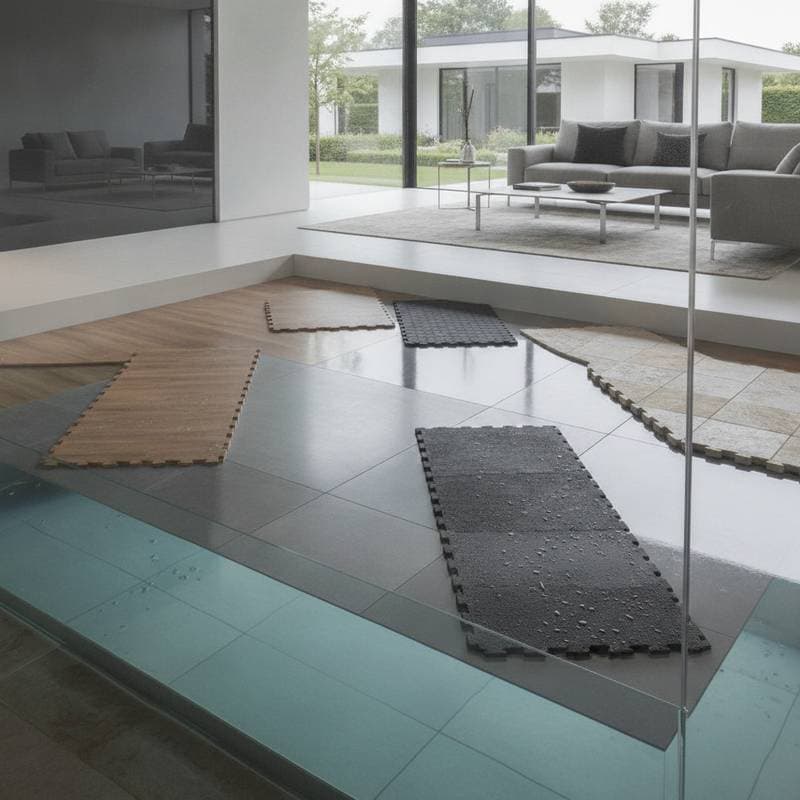
Explore 2026 flood proof flooring choices that safeguard homes and reduce insurance expenses. Compare materials, costs, and maintenance steps for resilient results.

Explore 2026 flood proof flooring choices that safeguard homes and reduce insurance expenses. Compare materials, costs, and maintenance steps for resilient results.
Discover the newest home improvement insights
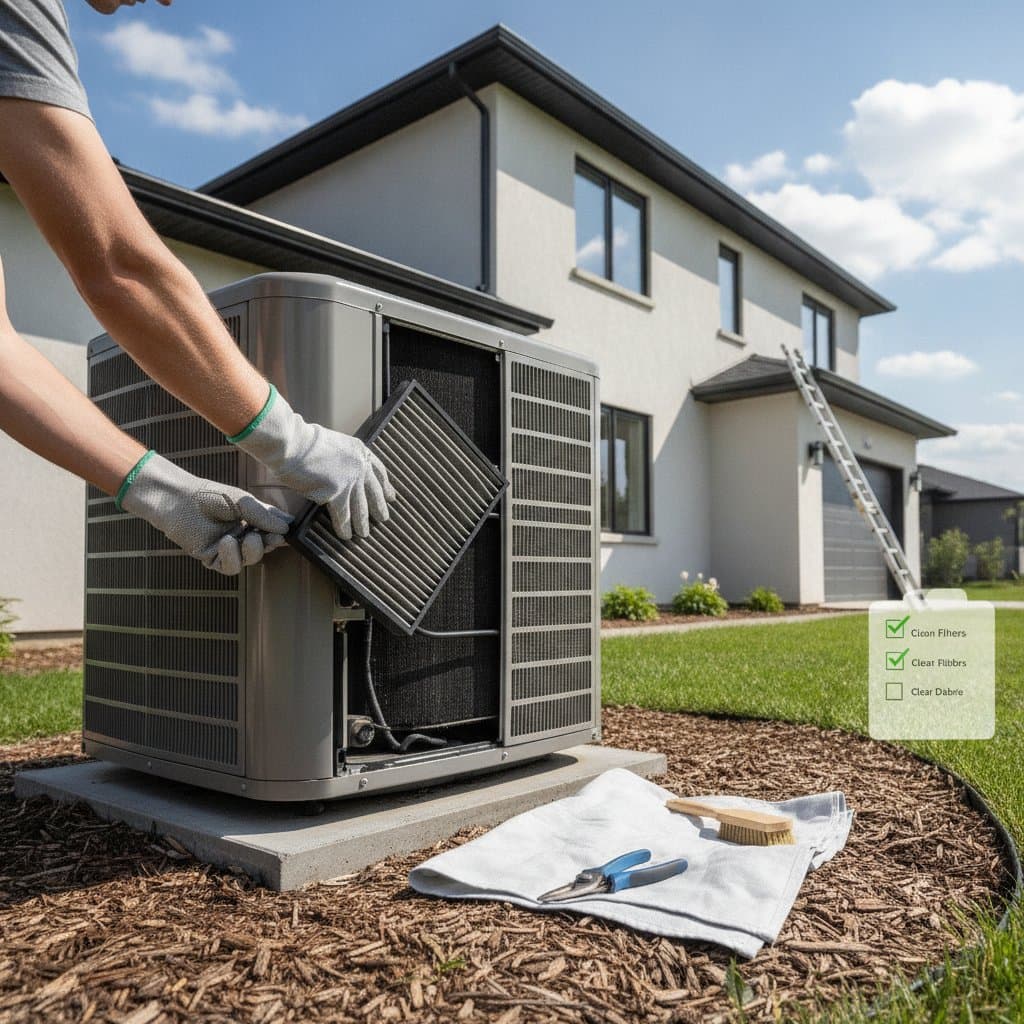
New 2026 insurance rules require documented basement flood protection. This guide details maintenance tasks, professional thresholds, compliance records, and habits that reduce risk and support lower premiums.
Zero-threshold showers eliminate tripping hazards and enhance accessibility, making them ideal for aging-in-place homes. With costs averaging 8000 to 18000 dollars and strong resale ROI, they combine safety, style, and long-term value. Learn cost factors, DIY versus pro tasks, and smart design tips to create a safer, modern, and comfortable bathroom upgrade.
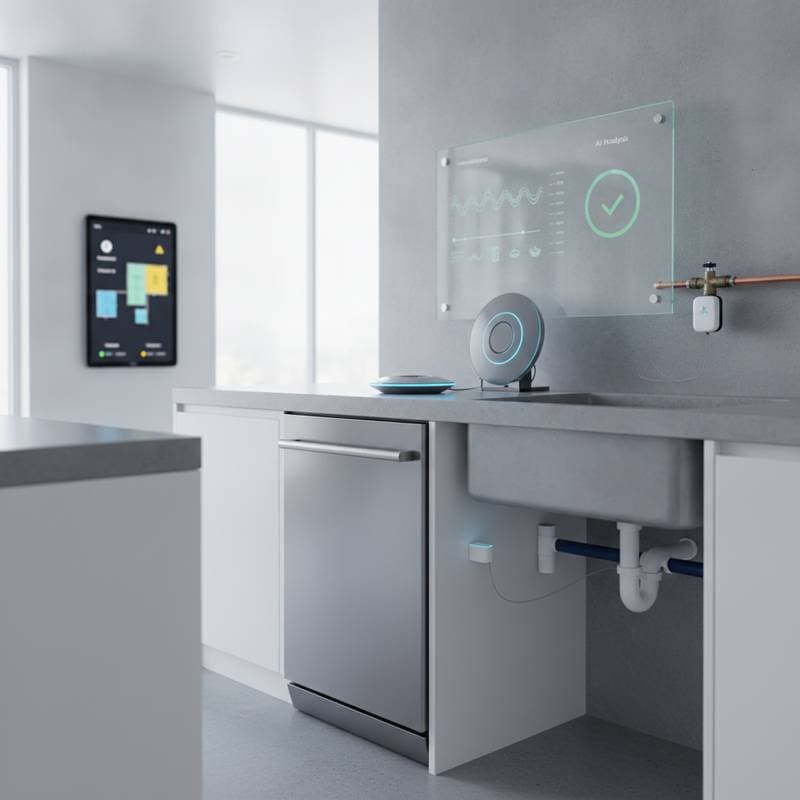
AI-driven sensors, drones, and autonomous cleaners now manage spring gutter maintenance without ladders. These systems detect clogs early, schedule cleanings automatically, and protect homes from water damage more reliably than manual methods.
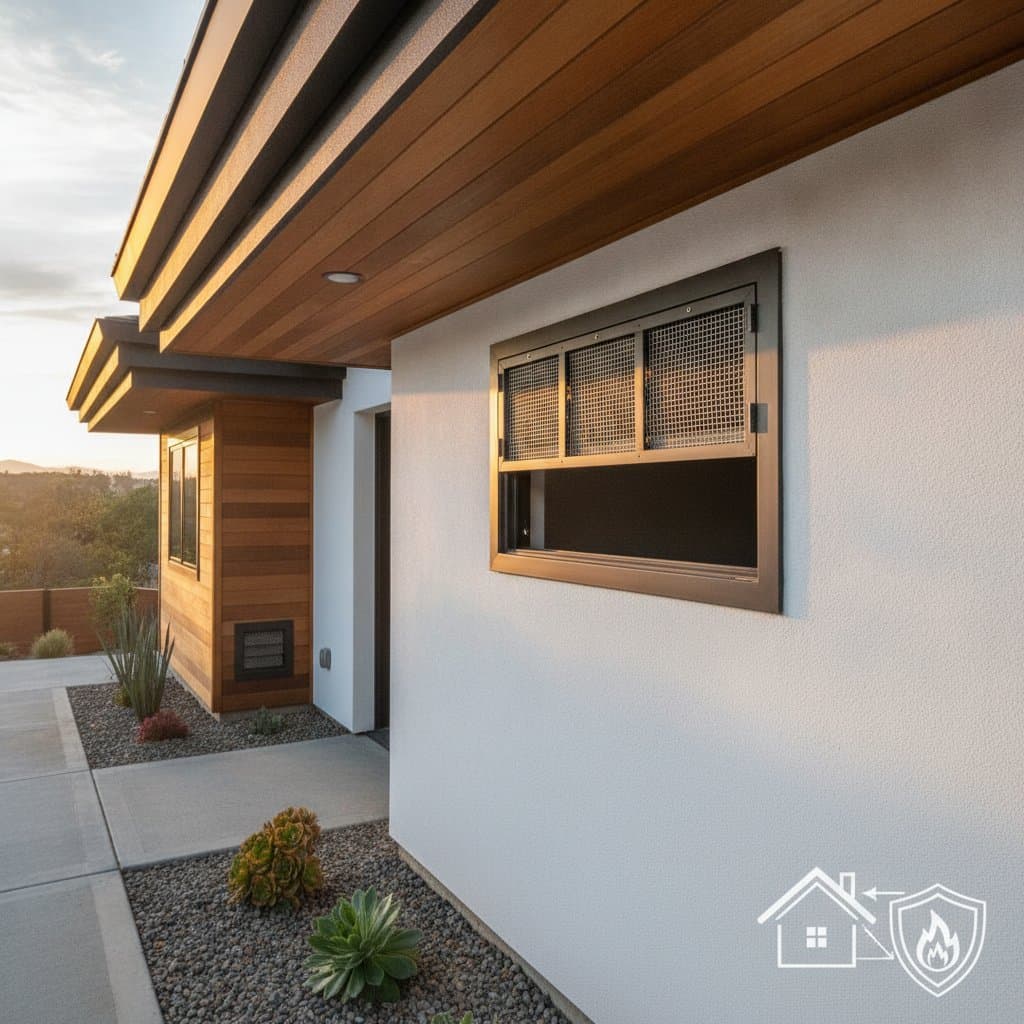
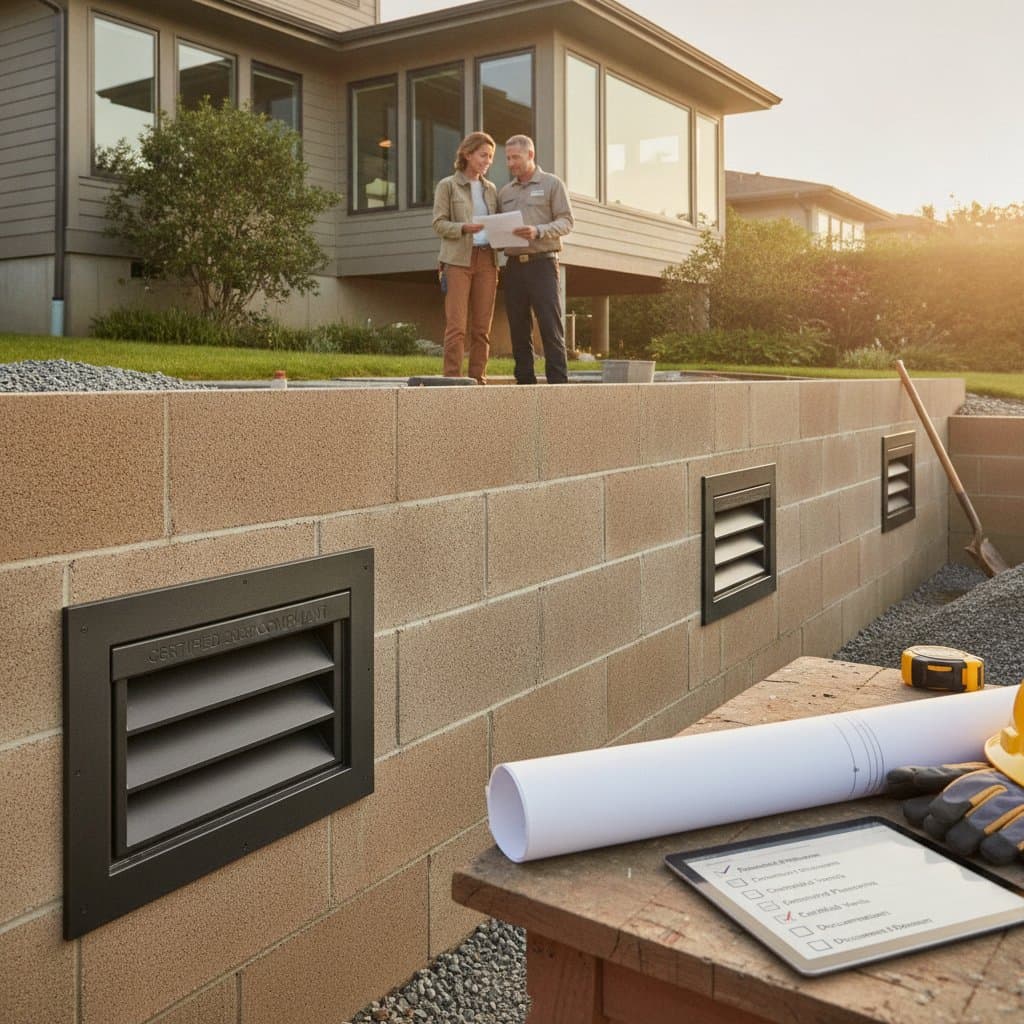
FEMA 2026 flood vent rules introduce stricter certification, labeling, and installation requirements that influence insurance rates and property transactions. This guide covers compliant vent features, real costs, and maintenance practices that protect foundations and support long-term savings.
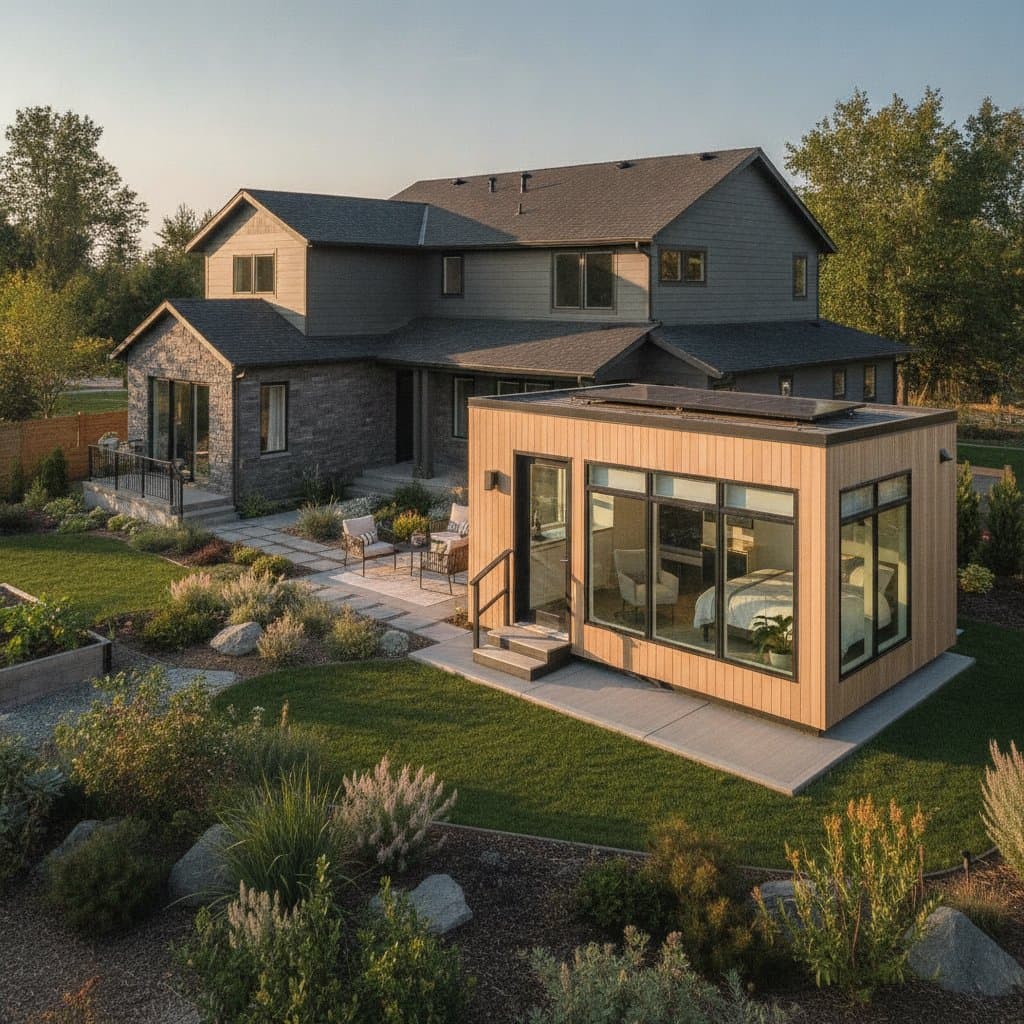
Multigenerational living is reshaping home design for 2026. Families seek layouts that blend privacy, flexibility, and connection across generations while reducing costs and strengthening relationships.
Walk-in tubs deliver therapeutic soaking and secure entry, while curbless showers provide open access and streamlined maintenance. Evaluate costs, installation demands, and daily routines to select the solution that enhances safety and convenience.
Budget planning and cost breakdowns
Explore 2026 mini split costs, efficiency ratings by climate zone, and installation considerations that help homeowners achieve precise temperature control and measurable utility reductions.
Homeowners are choosing mortgage remodel loans over HELOCs for fixed rates, one payment, and borrowing based on improved property value after renovation.